Made in Philly: Played Globally
Last week, I had the privilege to speak with Justin Helmer about his experience with game design, 3D modeling, and the creative practices that shape his life. Reflecting on the childhood that influenced his love for games, we talked about his past history with design, his artistic influences, and how books have made an impact on his work.
I asked Justin for an interview because of his role in collaborating with me to create the cover design for the first printed issue of The Medusa.
We talked over the phone, Justin in Philadelphia and I in Galway, and we decided to jump right into things. I began by asking:
Q: What is your background?
A: I am currently a game design and production student at Drexel University, and I’ve been working in game design for almost 10 years now, actually starting when I was a child on personal projects and such. I began experimenting with 3D modeling and programming at around the same time. What initially drew me to it was it being a form of digital media that I had full control over. Just being able to curate an experience for the end user, for the player, was something that made it a unique form of expression for me.
Also, for a brief time, I was a biology scientist in Barcelona. So that was a fun interlude.
Q: What is your creative process?
A: This is a hard question. I only get full authority of design with personal projects. The interesting part about game design is that it is very collaborative and team-based. So, this means you are constantly working with different departments, and again, this might be less true if one is working in a smaller game design studio, but it still applies, especially more with larger teams.
You end up working for a long time, perfecting your craft on one specific aspect of game design. And it’s not usually one person’s job to implement everyone’s pieces coherently, but whether I am working on my own creation or tasked to do something, the first thing I do is honestly just sit there and think about it. Before I even touch anything, I’m spending a lot of time plotting out how I want to go about it.
My role is usually more systematic, so I like to think and look at the project in little modules, little pieces. I take the project on piece by piece, in a sense. I’m then thinking about how all of those pieces are going to work together. My creative process is actually very similar to how a game design studio in general works, but even for my specific subtasks, that gets broken down even further for me.
Q: Are there any artists you use for inspiration?
A: When I do visual art or environment design, Joshua Leente is an inspiration, for sure. I’ve always really liked that style. The thing I’ve always found very cool about him is that he does not make singular things; he makes full environmental experiences. He takes a project from start to finish, and you won’t see anything from him for a year or two, then he will drop something amazing.
Joshua was initially inspired by the game, Overwatch, which is when I really fell in love with his work. And he has developed his own style a bit since then, as we all do, but when designing anything visually, my main inspiration is him.
Q: While we are on the topic of games, do you have a favorite?
A: Overwatch. For sure.
Q: What was your inspiration when you were younger?
A: I actually took inspiration from books. When I was younger, I didn’t have that much of a concept of the world of 3D art, I only had tutorials. Think animated movies like Toy Story and such. But I remember when I first made digital art, I was always imagining a specific, vivid setting that I had just seen in a book. I would try to make what I had envisioned.
Q: Any books in particular?
A: Land of Stories comes to mind, that series. I always really liked those. Also, my favorite book is Neverwhere, so the world it describes has had some influence on me, I would say.
But I mean, even like Minecraft worlds that I had seen online, that were famous at the time. They weren’t a direct artistic influence, but they gave me a sense of digital stylization.
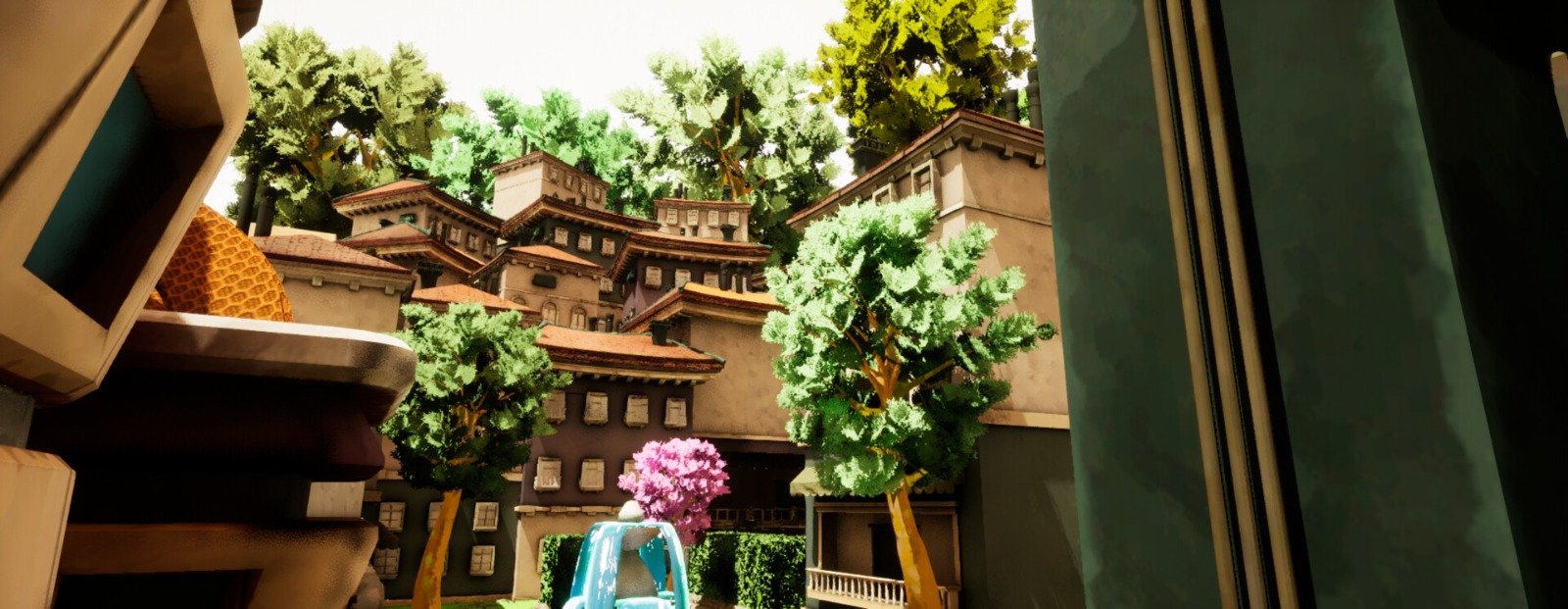
Enviroment Design
Q: Was Minecraft where you started building?
A: Yes, Minecraft worlds were where I started programming as well. The first thing I ever programmed was a Minecraft mod. So, it’s a very inspirational game for me.
Q: Do you still like it?
A: (chuckling) I do
Q: In game design, what do you specialize in?
A: I specialise in systems programming, so I design all of the hidden systems and mechanics in a game that the player doesn’t see. So most of the creativity I do nowadays is about making things easier for other people, who design the visuals that players actually see. I make the tools and set up systems to allow other designers to do what they want creatively.
Recently, I have actually been a network programmer. My job is to make sure that if two players are on opposite sides of the world, they can see each other on the screen in real time.
I can also do other things if requested, such as creating visual assets and such, but that is not my specialty. That is only on rare occasions, or if I am otherwise inspired.
Q: You specialize in systems programming, but is it your favorite part of game design?
A: Yes, for sure. I always tell people that I really like to make invisible things, for whatever reason. It’s kind of unfortunate because the things I make, players usually notice only when something's wrong or not well-made.
So I know I’ve done my job correctly if no one says anything about it.
Q: What is your favourite project you have worked on?
A: Probably my most recent student project that I am actually still working on now. It’s called Mechanic Mech-Antics, and it is a multiplayer game.
It’s a game about fast-paced resource management and platforming. The player’s avatar is a tiny robot engineer who is inside a larger robot with three others. The object of the game is to then take on another large-scale robot, about the size of a building, powered by four other tiny engineers in a boxing arena.
But the real fun happens inside the mechs, where the players scramble through rooms, racing to repair damage and replacing batteries to power the mech so that your robot can continue to deliver blows to the opponent. One player pilots the mech, and what they do affects all the other engineers inside.
Link to Mechanic Mech-Antics:
https://sites.google.com/view/mechanic-mech-antics/home
Q: What is the setting for the game?
A: It is set in a futuristic city with the arena in the center. Around the arena are hovering platforms for fans to watch. Also, it is toy-themed despite the robots being rather deadly.
Q: What was the inspiration for the game?
A: This is a team project, developed by two wonderful producers. I am fortunate enough to be adding to the game in the form of systems design.
Q: How many people are working on it?
A: 10 people in total.
Q: You sent over some 3D mockups of some buildings you have made. What were they for?
A: A personal project, actually. They were based on the architecture in Venice.
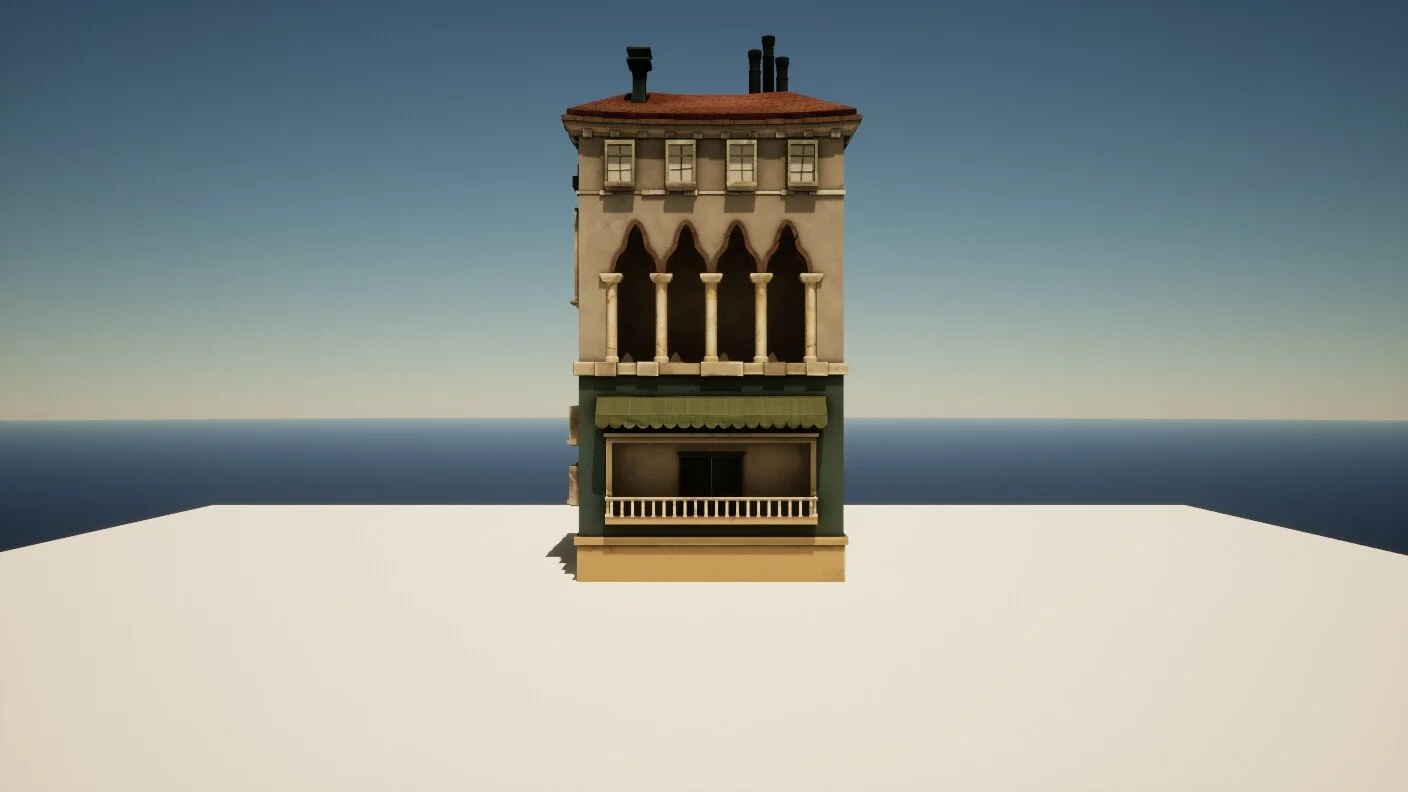
Villa 2 - 2023
Q: What inspired it?
A: I wanted to make a game. I just wanted to challenge myself, to see if I could make a game completely by myself. This was in high school. And I did manage to.
Q: Have you won any awards?
A: Yes, actually. I am a two-time SIGGRAPH FSSW (Faculty Submitted Student Work) 2024 Exhibitionist, once for Realtime Visualization and once for Computer Generated Imagery 1.
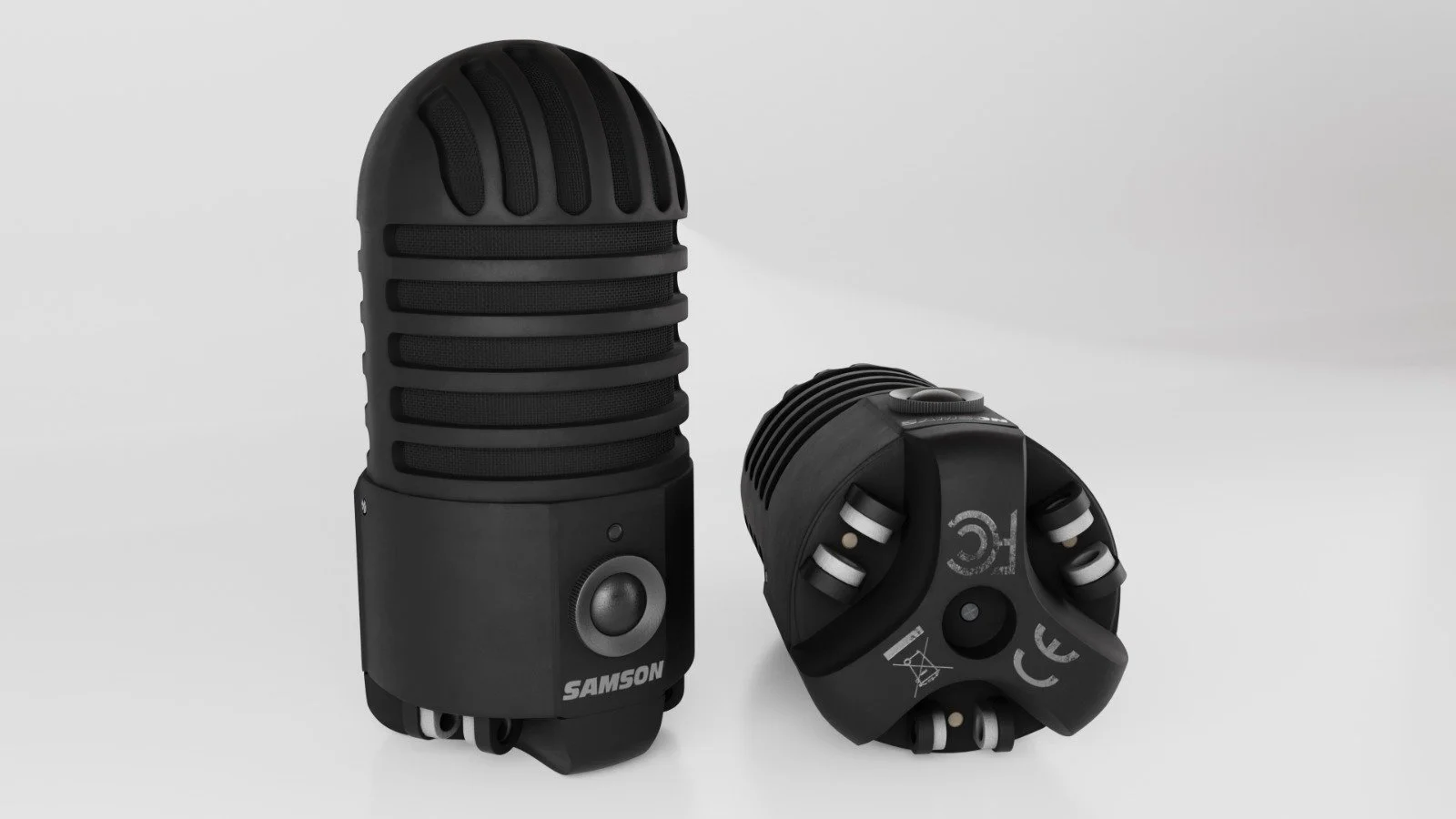
Computer Generated Imagery 1
2024
Q: What are your goals with game design and in life?
A: First of all, I would like to finish my degree. Then, I would like to work at a major studio. I would also like to contribute to making a few games in my lifetime.
Q: Where do you see yourself in five years?
A: Probably at a bigger studio, working on games or working on tools that game designers use to make games.
Q: Do you have a particular place or city in mind?
A: No, actually not. I wouldn’t mind anywhere.
Q: What other creative outlets do you have or wish to pursue?
A: Well, I have played the violin for 13 years now. And I have always really liked to make short and long YouTube vlog posts, as well as making contemporary designs for user interface design. I also enjoy reading.
Q: What would be a dream project to work on?
A: I would really like to work for Lizard, actually. I would also love to work on Overwatch, as it is my favorite game. It has kept me interested in game design for the majority of my life and is my favorite style of game, so that has always been a dream.
This interview has been edited for length and clarity.
Justin Helmer’s student project, Mechanic Mech-Antics, will go live in April 2026.
Find more of his work here: