Some Tales with Tish
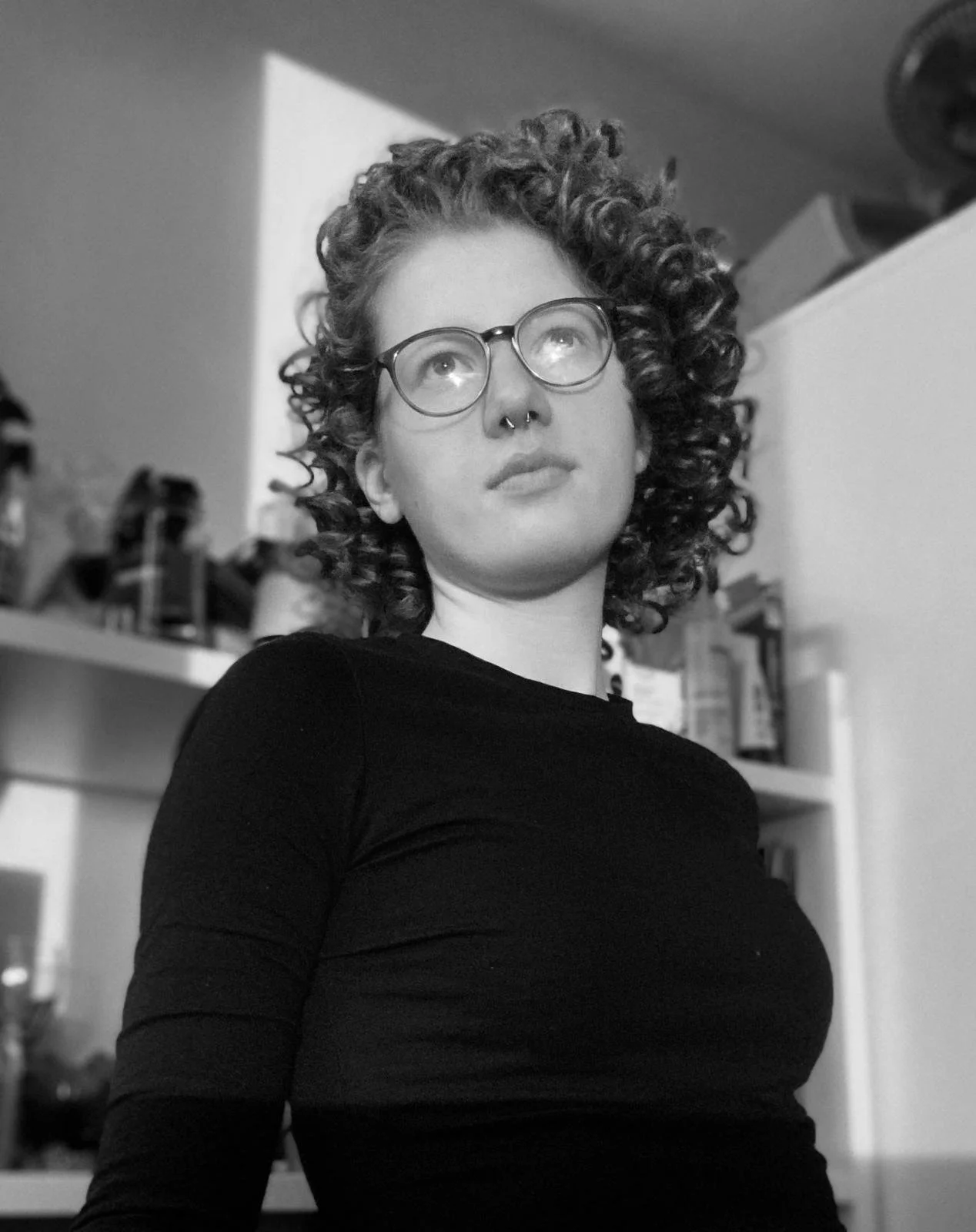
Last week, I had the absolute pleasure of sitting down with author and film programmer Tish Black. We discussed her recently published book Ebony, Blood and Snow, her inspirations for creating her stories, and the feminist undertone of all her work. Apart from her writing on fairytales and folklore, Tish also makes online content in various formats, from podcasts to film reviews.
MM: When did you first start writing?
TB: Who can say, when I first learnt to write? I've always thought of myself as a writer doing many different types of writing. As a kid I can remember making up stories, I used to write lyrics and songs a lot, and poetry – like emo teenager poetry stuff (laughing). I had some kind of blog for as long as that was a thing and I've always been writing really. Mostly nonfiction, personal essays, a lot of that. Fiction is actually kind of new to me, when I set out to write the book, I hadn't really done a lot of fiction writing, but it just made sense. Publishing a book was always that thing at the back of my head like: ‘well yeah I'll do that, someday, of course it's going to be part of my career.’ and then finally I said let’s do this!
MM: From day to day, what does your actual writing process look like?
TB: I wish I knew (chuckles).Day to day I would say I try to write in the mornings, if that works for my schedule, just because my energy levels are the highest and it goes down throughout the day, I don’t peak in the afternoon like some people do. So, I try to do my creative stuff first and then the other stuff will get done even if I'm tired. The process for the book was that I knew what I was doing from the beginning, I wasn’t writing stories and then be like ‘oh it's going to be a book, it's going to be thirteen stories.’ I knew what I was aiming for in the short story collection. I know some people like gathering stuff they already have, but for me it's very purposeful for the book. For fairytales I'm usually inspired by one I heard. I have a sort of a ‘what if’ idea, like what if this thing was different? Or I see this theme and think ‘how can I explore that more?’ and it goes from there. I always start with lots of notes, I'm not a sit down and just start writing type of person – I have lots of notes and all my thoughts – and sometimes that turns into little bits and pieces of actual writing. But it's always lots of notes, thoughts, outlines and maybe this way, maybe that way kind of thinking until I start many, many drafts of the actual story.
MM: How did you decide on short stories instead of a big novel?
TB: I guess that’s because I've been getting more to fairy tales, brewing some ideas of content, writing and learning what I wanted to make. I had it in my head as ‘oh I'll write my own version, my own retelling of all these fairytales that I'm learning about.’ So, I don't know I just have some novel ideas now, or I guess ideas I could turn into novels, but I would rather let them grow before writing anything. So, that was the idea, I just wanted to explore these fairytales I didn't have any big novel ideas. It was those little ‘what if?’ ideas: what if little red riding hood was growing up, and what if she was doing this, or how can I explain this. I wanted them to be fairytales, so I didn't want a novel for each of them. I was telling my own fairytales, so I wanted them to still feel like fairytales, which are usually not that long.
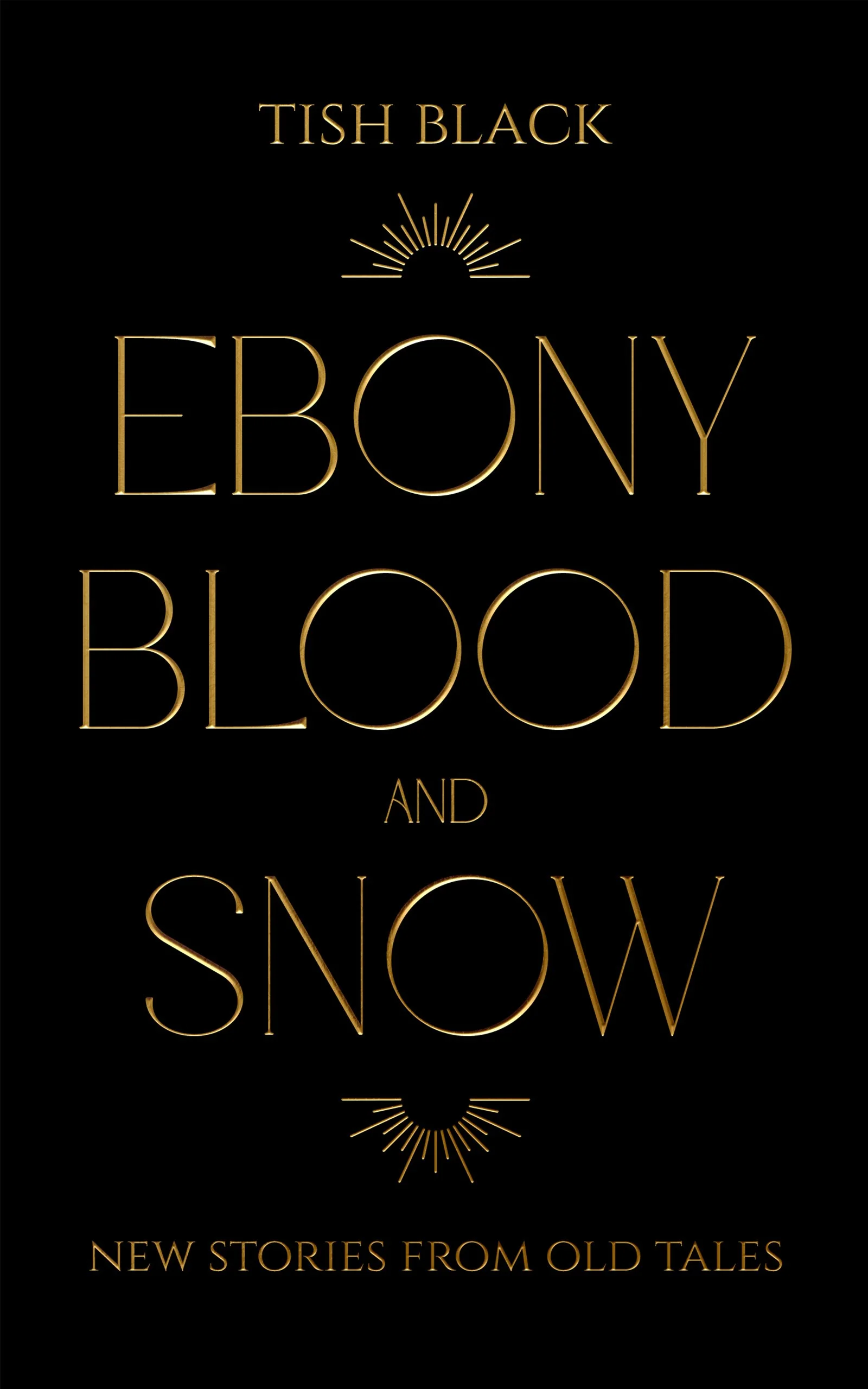
Ebony, Blood and Snow, 2025
MM: You mentioned earlier that you set out to write the collection with thirteen stories in mind, were those original thirteen stories the ones that made it in the collection?
TB: I had about two solid ideas when I started, maybe three, but yes there were definitely stories that I started in the process and then I realized they were not going to fit. Because once I had three, four, five stories in the theme of smashing the patriarchy and women fighting for their rights, that theme was coming out. I had a story that was inspired by The Little Mermaid, which was sort of a what happens after. This one couldn’t fit because the protagonist was more the boyfriend than the mermaid and I couldn’t have a male protagonist in this book. There were a couple other ones for which I got inspired and started them, but they were just not hitting the theme once I realised that there was a theme. So, I do have a few set aside that may appear in submissions or somewhere else. I also had a couple that were like Nutcrackerretellings, and Santa Claus ideas. For those I think I want to do a whole book of winter folklore stuff. So those got put aside for that, which is hopefully coming in the next couple years. So, I did write more than what ended up in the book because the book began to have a theme and I had to get those ideas started. For those stories I thought ‘you're not going here, you will be set aside.’
MM: Apart from the fairytales which are obviously a very big inspiration for you and the feminist aspect, is there anything else you’ve dabbled with in your writing, even if you might not have published yet?
TB: For fiction, I’m always drawing from fairytales, but in my film writing that I've done and stuff that I’m working on, I'm not going to do straight up reviews or some kind of op-ed about the industry or something. It always ends up being personal writing, almost like personal essays mixed with ‘oh let me tell you about this film’ and I've just embraced that. Maybe this is how I write about myself, this is how I write about films and they have to come together. So, film is also a huge inspiration in that it makes me feel things, it makes me examine my own feelings when I have them. I always write about myself first and then I bring in film stuff, because that’s how I learnt about the world. I can't help but write about myself when I write about films because I just can't be objective, it's an experience you have it's not just the films. Being super objective with films isn’t as fun.
MM: It makes a nice experience for the reader as well because they feel like they can go along with what you felt, which is much more enjoyable than just being told: ‘this film is like that because…’
TB: Yes, there’s a place for reviews, there's a place for different angles when writing about film, but I always enjoy it when it’s tied in with something, it helps you connect with the film because you also connect with the person writing about it, I think.
MM: Is there anything you’re working on at the moment? Maybe another collection?
TB: I’m working on probably too many things. I'm working on the audio book of Ebony, Blood and Snow, I’m recording and editing that myself because I do everything myself, I’m self-published. So, hopefully that will be out at some point, it's more work than I thought. It's not as simple as just reading my own stories, I'm making weird noises and now I have to edit that. Besides that, I have been working on a next short story collection inspired by winter folk tales, fairy tales and folklore. That will probably be coming out next winter, it's not progressing as fast as I thought it would. But yes, I’m always just working on a bunch of things, I'm also starting a podcast soon, but I won't say too much about it because we're still figuring it out. A friend and I are doing something about history and our interests and we thought podcast would be a good format for that. I also have lectures coming up and workshops I’m working on, so too many things is the problem usually.
If you are interested in taking a closer look at more of Tish’s work, you can find it here:
Substack:https://taleswithtish.substack.com/
Instagram:https://www.instagram.com/taleswithtish