Piranesi by Susanna Clarke is a speculative fiction novel that follows the journey of Piranesi, a man who lives in an endless Labyrinth of marble halls filled with statues, roiling clouds, and strange tides. Piranesi’s only companion is a smartly dressed middle-aged man known as the Other who is in search of a great, enigmatic knowledge. While Piranesi spends his days honoring the Dead, chronicling daily occurrences and observations in his journals, and fishing for his supper, the Other remains mysteriously aloof. Piranesi is not sure the Other likes him very much. He is not sure how he came to reside in the Labyrinth, or why there are thirteen human skeletons scattered throughout the halls, but with the arrival of a prophet and a slew of strange messages, Piranesi begins to suspect that another person— person 16! — is on the way. The only question is will 16 help or hinder Piranesi and what, if anything, does 16 have to do with the Other’s quest for knowledge?
Drawing on mythological tropes and a pantheistic worldview that goes hand in hand with many of the mystical elements in Clarke’s fictional world, Piranesi is a fascinating foray into the mind of a man unraveling the threads of his mysterious past. Of all of Clarke’s evident literary and intellectual strengths, of which there are many, her characterization of Piranesi is the most astounding. As someone who typically spurns speculative fiction in favor of gothic literature and feminist horror, I was shockingly smitten with Piranesi’s witty inner dialogue and humble-hearted worldview. By choosing to write the novel through Piranesi’s first-person journal excerpts, rather than through an omniscient worldview, Clarke provides the reader with an unobstructed glimpse into the inner workings of Piranesi’s scientifically brilliant mind.
The plot is evenly paced with an action-packed climax, and a bittersweet feel good ending. The story ebbs and flows freely without dragging against the rough underbelly of overly informative exposition or an overly explanatory backstory. And even the most trivial or detestable supporting characters are not without their redeeming qualities.
All in all, Piranesi, though not my usual genre of choice, is well-deserving of its status as a Women’s Prize for Fiction awardee and a New York Times Bestseller. At times witty, wry, and surprisingly poignant, Piranesi is a book that will wander the Labyrinth of your mind long after you’ve finished reading.
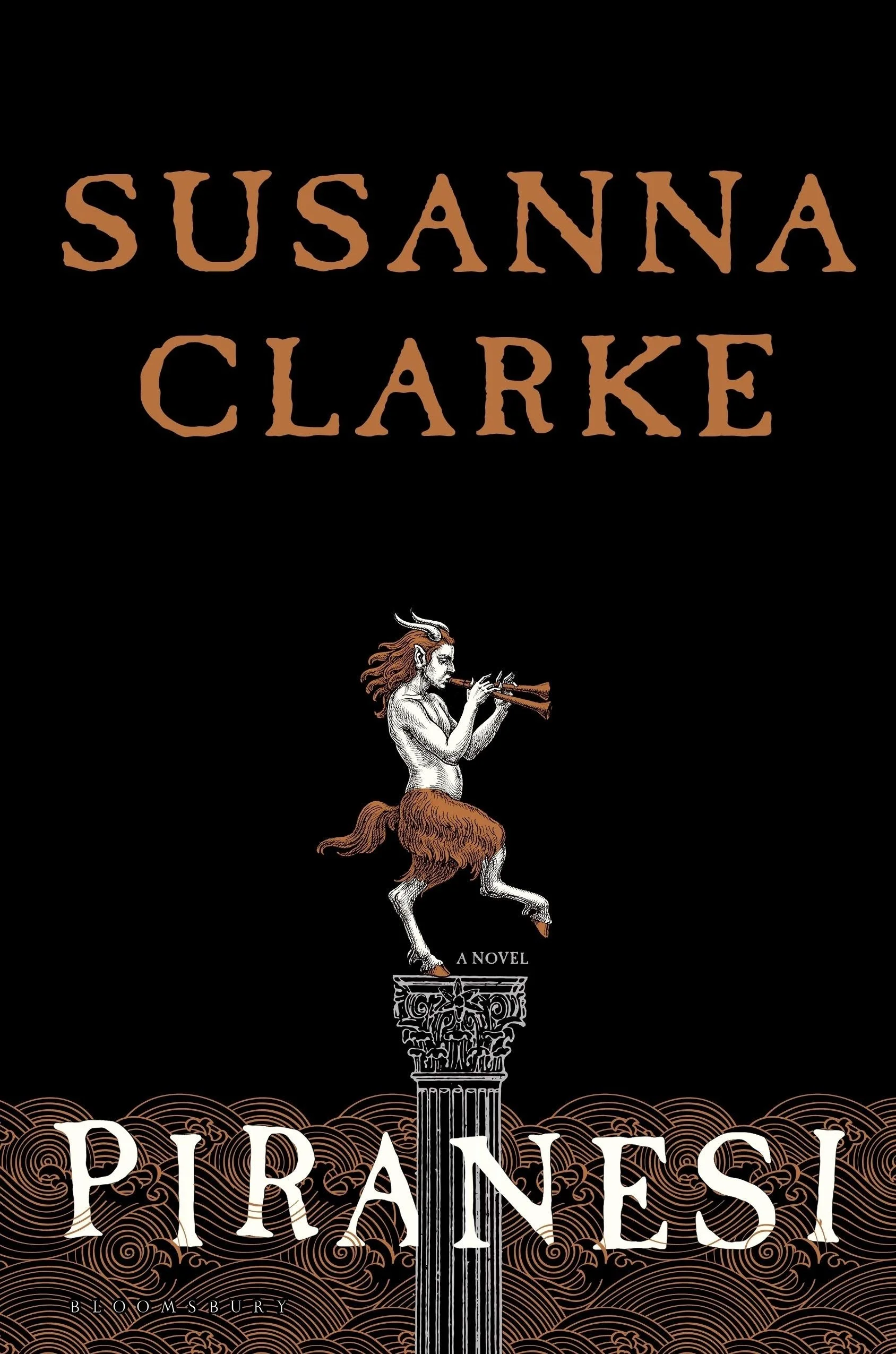
Piranesi by Susanna Clarke
Bloomsbury Publishing
© 2020